


EMDR therapy Brisbane
Brisbane Counselling Centre has provided EMDR therapy in Brisbane since 1989. The registered psychologists in attendance at our Centre include experienced EMDR practitioners who support adults and adolescents affected by PTSD, trauma-related difficulties and distressing experiences. EMDR is considered following an individual assessment and where it is clinically appropriate as part of a tailored treatment plan.
EMDR stands for Eye Movement Desensitisation and Reprocessing. It is a psychological therapy that may be used to help people process distressing memories and experiences that continue to affect their wellbeing, relationships, confidence or daily life.
EMDR is recognised as an evidence-based treatment for trauma by the Australian Psychological Society and internationally by bodies including the World Health Organisation. EMDR is considered an effective form of treatment for trauma-related psychological injuries and has helped countless people around the world regain control of their mental healing process.
Appointments are available at Brisbane Counselling Centre in Spring Hill, close to Brisbane CBD.
Please call to speak with one of our friendly team members to enquire about EMDR therapy and discuss your needs further. Alternatively, feel free to complete our enquiry form and one of our team members will be in touch shortly to assist you further.
Written and clinically reviewed by Natascha Madden, Registered Psychologist (AHPRA reg. PSY0000953827), Brisbane Counselling Centre. Last reviewed: September 2026
What isEMDR therapy?
EMDR is a psychological therapy developed by Dr Francine Shapiro. It is an approach to help a person work with distressing memories, thoughts, emotions and physical sensations connected to traumatic or adverse experiences.
During parts of EMDR therapy, a psychologist may use bilateral stimulation, which can involve guided eye movements, alternating sounds or alternating taps. The specific approach is discussed with you and adapted to your circumstances. EMDR does not involve erasing memories or making you forget what happened. The aim is to reduce the ongoing distress associated with memories and help the person process their experiences in a way that supports present-day functioning.
This evidence-based technique assists in reprocessing traumatic memories, reducing their impact. It also helps clients to restructure how they view the memories, as well as develop healthier coping mechanisms.
The psychologists at Brisbane Counselling Centre regularly utilise EMDR therapy. In your initial session, your psychologist in Brisbane will assess your mental health and its impacts on your quality of life, along with any trauma you’ve experienced, in order to determine if EMDR is suitable for you. If it is, your psychologist will talk to you in more detail about the therapy.
How does EMDR work?
Human beings store trauma in a particular way that makes it difficult to function at an optimal level. EMDR helps to work through these traumas and neutralise the emotional response that particular situations, emotions and memories elicit. Just as you would heal from a physical injury, EMDR helps you to activate your own ability to heal from the mental trauma you have experienced.
EMDR makes use of eye movement treatment, which helps with psychological trauma by bringing internal associations with the traumatic event to the front of the mind. From there, those associations can be changed, allowing the healing process to begin.
This approach fosters a strong therapeutic relationship and focuses on individual client experiences, including past memories and physical sensations.
The psychologists in Brisbane attending the Centre are trained in internationally recognised evidence-based methods. The psychologists shape their approaches around the personal life experiences, symptoms, and emotional distress of their clients. This ensures a safe environment for recovery for those who have experienced significant trauma.
What isEMDR therapy used for?
EMDR is considered to be one of the leading strategies for treating trauma, Post Traumatic Stress Disorder (PTSD), and Complex PTSD.
Therapists also frequently integrate EMDR with other therapeutic approaches, allowing its application in treating a diverse variety of presenting issues, including:
- chronic pain
- generalised anxiety disorder
- depression
- addictions
- panic disorder
- phobias and social anxiety
- performance issues, such as public speaking
- challenges with sexual intimacy
- work stress and burnout
Who may enquireabout EMDR?
People enquire about EMDR for different reasons. You may wish to speak with a psychologist or counsellor if you are experiencing ongoing distress following a traumatic, frightening, overwhelming or adverse life experience.
This may include:
- Intrusive memories, nightmares or flashbacks
- Feeling constantly on guard, easily startled or unsafe
- Avoiding places, conversations, people or situations that trigger distress
- Strong emotional or physical reactions to reminders of past experiences
- Shame, guilt, anger or self-blame related to what happened
- Difficulty trusting people or feeling close in relationships
- Anxiety, panic or distress where past experiences appear relevant
- Ongoing effects of abuse, violence, accidents, loss, medical events, workplace incidents or other distressing experiences
A person does not need to have a formal PTSD diagnosis to discuss whether trauma-informed psychological support may be helpful. Your psychologist will assess your circumstances and discuss options with you.
Is EMDRright for everyone?
EMDR is not automatically the right approach for every person or every difficulty. A psychologist or counsellor will first take time to understand your current symptoms, history, strengths, supports, goals and readiness for trauma-focused work.
Some people need time to build safety, stability, coping skills or emotional regulation before beginning memory-processing work. Others may benefit from a different approach, or from combining EMDR with other evidence-informed therapies.
Your psychologist or counsellor will explain the options, answer your questions and work with you to decide on an approach that fits your needs.
For more information on the history and science of EMDR, please read about EMDR: the history and science.
What happens beforeEMDR processing?
EMDR therapy is not usually a matter of immediately revisiting difficult memories in the first appointment. Preparation is an important part of safe, individualised trauma work.
Early sessions may involve:
- Understanding the concerns that brought you to therapy
- Discussing current symptoms, stressors and supports
- Exploring relevant history at a pace that feels manageable
- Identifying therapy goals
- Learning strategies to manage distress between sessions
- Discussing the EMDR approach and answering questions
- Deciding together whether EMDR is suitable and when to begin
Your psychologist or counsellor will explain what the work may involve and check in with you throughout the process.
What can an EMDR session involve?
EMDR sessions are tailored to the individual. When it is appropriate to move into memory-processing work, your psychologist will guide you through a process that may involve bringing attention to aspects of a distressing memory while using bilateral stimulation, such as eye movements, tapping or sounds.
The focus is not on forcing you to provide every detail of an event. Your psychologist or counsellor will work at a pace that considers your wellbeing, ability to manage distress and agreed therapy goals.
People respond differently to trauma therapy. Your psychologist or counsellor will discuss what to expect, how to prepare, and how you can care for yourself between appointments.
EMDR and other trauma therapies
EMDR is one evidence-informed option within trauma-focused psychological care. The clinicians in attendance at Brisbane Counselling Centre may also draw on approaches such as cognitive behavioural therapy, exposure-based approaches, psychodynamic therapy, mindfulness-informed strategies and other trauma-informed work, depending on the clinician’s training and the person’s needs.
The important question is not simply “Which therapy is best?” but “Which approach is appropriate for my needs, current circumstances and treatment goals?” Your psychologist or counsellor can help you consider this.
For broader information about trauma, PTSD and complex trauma, visit Trauma, PTSD and Complex PTSD.
Meet the EMDR psychologists and counsellors
Brisbane Counselling Centre has many practitioners in attendance with different areas of experience, training and availability.

Natascha Madden
Registered PsychologistNatascha provides psychological support for adults experiencing trauma-related difficulties, anxiety and depression. Natascha has been registered as a psychologist for over 28 years and has been conducting EMDR since 2009 and is a member of EMDRAA.

Tracey Donkin
Registered PsychologistTracey has practiced as a psychologist for more than 35 years and has used EMDR in clinical practice for more than 30 years. Her areas of practice include PTSD, trauma-related difficulties, anxiety, depression and recovery after abuse.

Janice Fittell
Registered PsychologistJanice has practiced as a psychologist for more than 40 years and has used EMDR in clinical practice for over 20 years. Her areas of practice include PTSD, trauma-related difficulties, stress and anxiety, and women’s well-being.
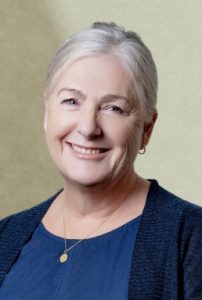
Tracey Young
Registered PsychologistTracey has practiced as a psychologist for over 20 years and has used EMDR in clinical practice for 20 years. Her areas of practice include PTSD, trauma-related difficulties, stress and anxiety, and relationship difficulties.

Aroha Jones (AJ)
Registered PsychologistAJ works with adults experiencing anxiety, depression, stress, perfectionism, self-esteem concerns, grief and the effects of trauma. Her approach is trauma-informed and attachment-focused, with a strong emphasis on EMDR. AJ is a member of EMDRAA.

Paula Borges
Provisional PsychologistPaula works with adults experiencing trauma and intergenerational trauma, anxiety, depression, OCD, addictions and cultural adjustment.

Madonna Tucker
Registered PsychologistMadonna has over 30 years of experience in psychology and focuses on trauma, anxiety, depression and neurodivergence. She holds certification as a schema and EMDR therapist.

Jo Fitzgerald
PsychotherapistJo provides therapeutic support, including EMDR for young people from the age of 12 and adults experiencing trauma-related challenges, anxiety, eating disorders and stress and burnout. Jo works with couples utilising the Gottman Method.
EMDR appointments, referrals and telehealth
You do not need a GP referral to enquire about EMDR therapy at Brisbane Counselling Centre.
Some clients may be eligible for Medicare rebates with a valid Mental Health Treatment Plan and referral from an eligible medical practitioner. Eligibility and rebate arrangements can vary, so please contact BCC or speak with your GP to confirm what applies to you.
Appointments are available in Spring Hill, close to Brisbane CBD, with new clients being seen within one to two weeks, depending on who you see. Appointments are available in the afternoons and Saturdays.
Whether telehealth is appropriate for EMDR or trauma-focused therapy depends on the person, their circumstances, clinical needs and the treating psychologist’s assessment.
Please call to speak with one of our friendly team members to discuss your needs further. Or alternatively use our online enquiry/booking form to discuss availability or answer any questions you may have.
Frequently askedquestions
What does EMDR stand for?
How long does EMDR therapy take?
Do I need to remember every detail of a traumatic event for EMDR?
Can EMDR be used for anxiety?
Is EMDR suitable for complex trauma?
Can I have EMDR by telehealth?
What are the common myths about EMDR?
Can I use my private health insurance or government funding for EMDR therapy?
How much does it cost to see a psychologist for EMDR in Brisbane?
We can help
If distressing memories, trauma-related symptoms or the effects of past experiences are continuing to affect your life, you do not need to work through it alone.
Brisbane Counselling Centre has provided EMDR therapy in Brisbane since 1989. Contact our team to discuss whether an appointment with an EMDR-trained psychologist or counsellor may be suitable.
Please call to speak with one of our friendly team members to discuss your needs further.
If you need urgent support, contact Lifeline on 13 11 14, available 24 hours. In an emergency, call 000.
