
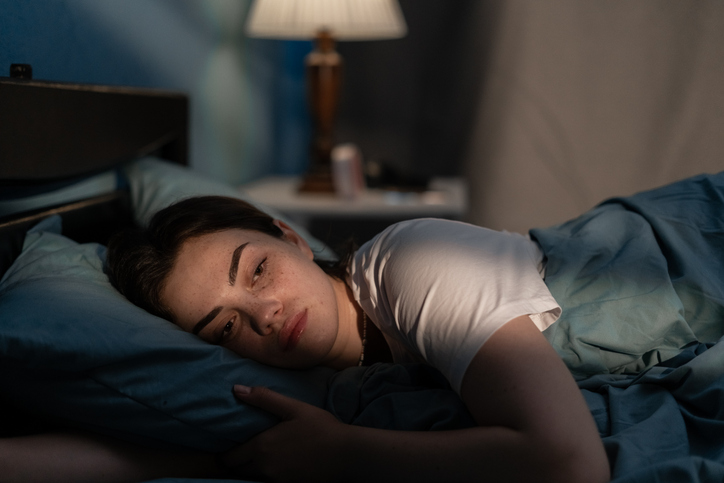

Psychological support alongside your medical care
Psychologists and counsellors in attendance at our Centre help people living with endometriosis and adenomyosis manage pain-related distress, anxiety, low mood, fertility worries and the impact on relationships and work. Counselling does not replace care from your GP, gynaecologist or pelvic health physiotherapist. It works alongside it, so you are supported as a whole person.
Written and clinically reviewed by Natascha Madden, Registered Psychologist, Brisbane Counselling Centre. Last reviewed: November 2026
What are endometriosis and adenomyosis?
Endometriosis is a chronic condition in which tissue similar to the lining of the uterus grows outside the uterus, often on the ovaries, bowel or the lining of the pelvis. It can cause painful periods, pelvic pain, pain during sex, bowel and bladder symptoms, fatigue and fertility difficulties.
Adenomyosis is a related condition in which this tissue grows into the muscle wall of the uterus. It commonly causes heavy, painful periods and ongoing pelvic pain. Many people have both conditions.
Endometriosis is common. The Australian Institute of Health and Welfare estimates that around 1 in 7 Australian women born in 1973 to 1978 had been diagnosed by their late 40s, and that it takes an average of 6 to 8 years from first symptoms to diagnosis.
How can endometriosis and adenomyosis affect your mental health?
Living with a chronic, often invisible condition can affect your emotional wellbeing in many ways. People commonly tell us about:
- Anxiety about pain flares, planning around your cycle, or what the future holds
- Low mood and depression, especially when pain is ongoing or treatment options feel limited
- Feeling dismissed or disbelieved after years of being told period pain is “normal”
- Grief and loss around fertility, pregnancy loss, surgery or the life you expected to have
- Strain on relationships and intimacy, including pain during sex and changes in how you see yourself
- Work and study pressures, such as missed days, reduced hours or worry about how others see you
- Exhaustion and isolation, cancelling plans and pulling away from friends
- Stress around treatment decisions, including surgery, hormonal treatment and fertility treatment
These reactions are understandable. Pain and emotions are closely linked in the nervous system, and ongoing stress can make pain feel worse, which is one reason psychological support can help.
When you have not been heard: medical trauma and endometriosis
For many people, the hardest part of endometriosis and adenomyosis is not only the pain. It is the years of not being believed. You may have been told your periods were “normal”, that you had a low pain threshold, that it was stress or “all in your head”. You may have seen GP after GP and specialist after specialist, had tests that came back clear, and been sent home without answers, while the pain continued.
With an average of 6 to 8 years between first symptoms and diagnosis, this experience is sadly common. Being repeatedly dismissed, not listened to or not taken seriously by the people you turned to for help can leave lasting effects, sometimes described as medical trauma. You might notice:
- dreading or avoiding medical appointments, or feeling anxious, shaky or tearful beforehand
- rehearsing what to say, or bringing notes and evidence because you expect not to be believed
- doubting your own body and experience, even after a diagnosis
- anger, grief or sadness about the years lost to pain and uncertainty
- feeling alone, as if no one understands what you have been through
- memories of particular appointments, procedures or comments that still feel upsetting
These reactions are understandable responses to a long and difficult road. They are not a sign that you are overreacting.
Counselling offers a space where your experience is believed from the start. Your psychologist or counsellor can help you process difficult medical experiences, rebuild trust in yourself, feel more confident advocating for your needs, and prepare for appointments in a way that feels less overwhelming. Where distressing medical experiences continue to affect you, EMDR can help reduce their emotional intensity.
How can counselling help?
Your psychologist or counsellor will listen to your experience, take your symptoms seriously and work with you on what matters most to you. Support may include:
- Pain psychology strategies to reduce the distress and disruption pain causes, and to calm an overactive stress response
- Cognitive behaviour therapy (CBT) for anxiety, low mood and unhelpful thinking patterns that build up around pain
- Acceptance and Commitment Therapy (ACT) to live in line with your values, even on hard days
- Mindfulness and relaxation to help with tension, sleep and flares
- Pacing and planning so you can balance work, rest and the things you enjoy
- Support with grief, fertility and loss. See grief and loss counselling.
- Couples sessions to talk openly about pain, intimacy and the impact on your relationship. See couples counselling.
- EMDR where distressing medical experiences, surgery or feeling dismissed have left lasting distress. EMDR is an area of specialist expertise at our Centre.
- Support through pregnancy and early parenting, including perinatal anxiety and depression.
With your consent, your practitioner can work with your GP or specialist, so your care is coordinated.
Where else can I find support?
- QENDO, a Queensland-based support organisation for endometriosis, adenomyosis and PCOS
- Endometriosis Australia
- Your GP, who can refer you to a gynaecologist, pelvic pain specialist or pelvic health physiotherapist
How do I book an appointment?
- Please call (07) 3831 4452 or complete our enquiry form. Our reception team will suggest a suitable practitioner. You do not need a referral to book.
- See your GP if you want a Medicare rebate. Ask for a Mental Health Treatment Plan. Private health insurance may also apply.
- Attend in person or online. If pain or fatigue makes travel hard, online and telephone sessions are available.
Brisbane Counselling Centre is at Level 7, 87 Wickham Terrace, Spring Hill, about five minutes’ walk from Central Station. We are open Monday to Friday 7:30am to 5:30pm and Saturday 8:30am to 5:00pm. See our fees and rebates or meet the psychologists and counsellors.
Frequently asked questions
Can a psychologist help with endometriosis?
Is it normal to feel anxious or depressed with endometriosis?
Can being dismissed by doctors be traumatic?
Can counselling help with chronic pelvic pain?
What is the difference between endometriosis and adenomyosis?
Can I get a Medicare rebate?
How much does it cost?
Can my partner come to sessions?
Can I have sessions online if I am unwell?
Help is available
Endometriosis and adenomyosis can feel relentless, and many people carry the emotional weight quietly for years. Your experience is real, and you deserve support for your mind as well as your body.
Talking with a caring psychologist or counsellor can help you feel heard, find ways to cope on the hard days and make room for the things that matter to you. Take the courageous step and reach out today.
Please call to speak with our reception team, or send us a message. The Brisbane psychologists and counsellors are available to help.
If you need urgent support, contact Lifeline on 13 11 14, available 24 hours. In an emergency, call 000.
